Our Services

Continue to learn more about our specialties.

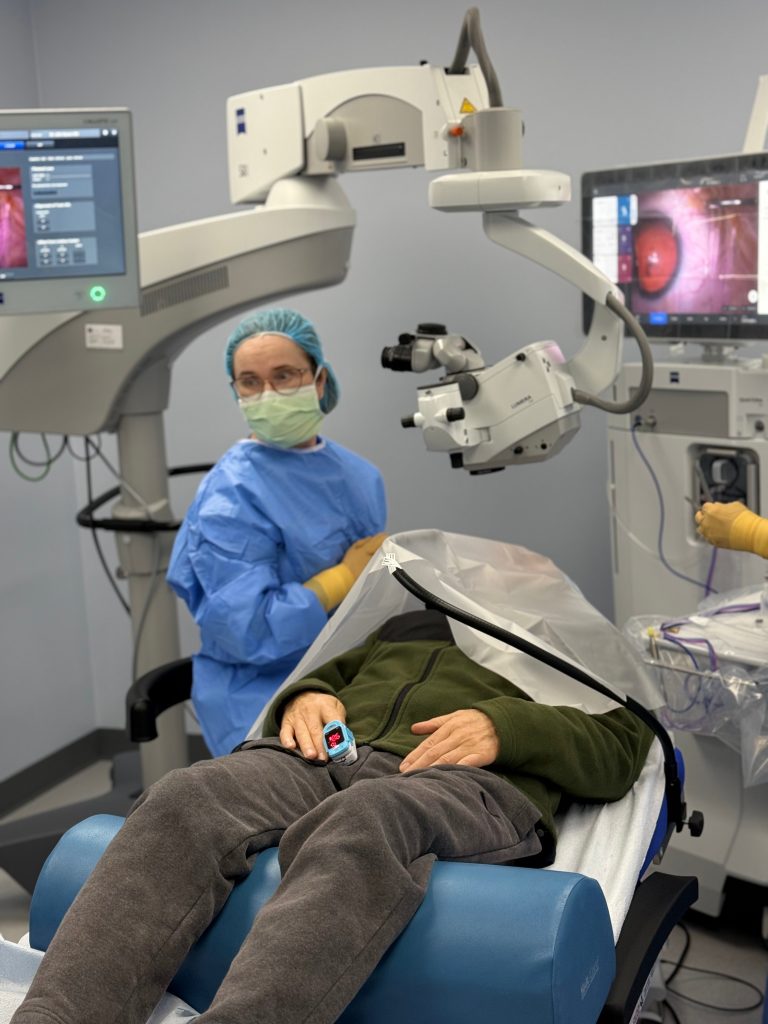
We are a private ophthalmology practice focusing on fostering excellent eye care for our community. With a strong emphasis on cataract and uveitis care.

Everything In One Place

Our Services

Eye Diseases

  • Glaucoma
  • Uveitis
  • Diabetic Eye Exams

Cataracts

Everyone has natural lenses inside of their eyes, after time goes by, those lenses will eventually wear down and need to be replaced in order to help eyesight. The new artificial lenses are placed through a simple and effective procedure.

Ocular Inflammation

Specialized in treating ocular inflammation such as uveitis, retinal vasculitis, iritis , and scleritis caused by systemic autoimmune problems or infections.

Diabetic Eye

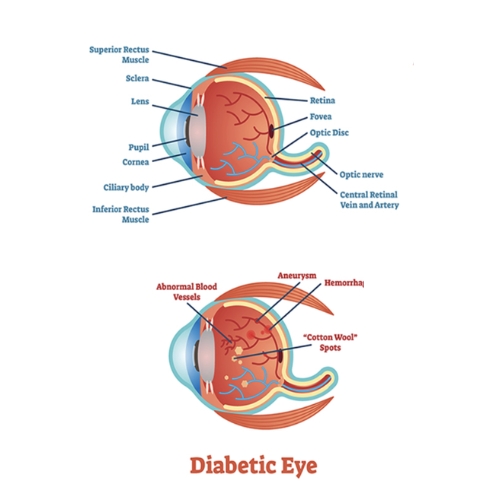
Diabetic retinopathy (DR) is a complication of diabetes that can lead to vision loss and blindness. It occurs when high blood sugar damages the blood vessels in the retina, the light-sensitive tissue at the back of the eye. Symptoms of DR include: Blurred or distorted vision, Dark or floating spots in your vision, Trouble reading or seeing faraway objects, New color blindness or seeing colors as faded, and Poor night vision. DR may not have any symptoms at first, so it's important to get a dilated eye exam at least once a year if you have diabetes.

Glaucoma

Glaucoma is a condition in which the optic nerve can become damaged through an increased pressure in the eye, and in some cases, a normal pressure in the eye. While there appear to be some genetic linkages with glaucoma, the exact cause is unknown. African Americans over the age of 40 and anyone with a familial history of glaucoma are at a higher risk and should be especially mindful of their eye health.

Uveitis

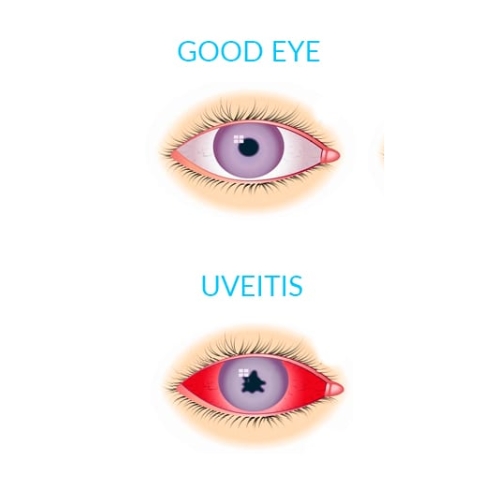
Uveitis is caused by an inflammation of the uvea, the middle layer of tissue that surrounds your eye. The exact cause is not always known, but it has been linked to infections, medication side effects, or autoimmune diseases. Symptoms of uveitis include redness, pain, light sensitivity, and blurry vision. With proper medication, uveitis can be resolved over a period of months to years.
Our Experts

Cataracts

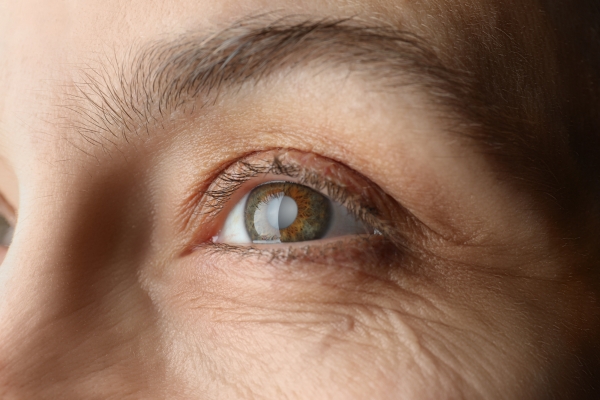
Cataracts are a clouding of the normally clear lens of the eyes. Seeing through cloudy lenses is like looking through a frosty or fogged-up window for people with cataracts. The blurriness from cataracts can make it difficult to read, drive (especially at nighttime), or see the expression on a friend’s face.

Most cataracts develop slowly in both eyes and will not disturb your eyesight early on, but with time cataracts will eventually interfere with your vision.

At first, stronger or brighter lighting and eyeglasses can help you see better. However, if your vision is interfering with your usual activities and quality of life, you might need cataract surgery.

  • Blurry, foggy, or dim vision.
  • Increased difficulty driving at night due to glare from headlights.
  • Difficulty reading, doing needlework, or any activities that require good near vision, or require more light.
  • Colors are not vivid or vibrant–almost like a yellow-ish faded color.
  • Contacts or glasses do not improve your vision.

When cataracts first develop in the eye, a person may not notice any vision loss. As the cataracts progress, the above symptoms will be more noticeable. At this point, you have seen your eye doctor who referred you to us for your consultation! 

*Please let us know if you take any medication or have taken medication for urinary tract problems or prostate issues (Flomax/tamsulosin)*

  • Age
  • Diabetes
  • Excessive exposure to sunlight.
  • Smoking
  • Obesity
  • High blood pressure
  • Previous trauma to the eye (injury or inflammation).
  • Previous eye surgery.
  • Prolonged use of corticosteroid medications.
  • Drinking excessive amounts of alcohol.

Cataract surgery has a success rate of 99%. While complications can occur, they are relatively rare when performed by an experienced surgeon. One thing to note is that pre-existing eye conditions like macular degeneration, glaucoma, or diabetic retinopathy can impact the outcome of your surgery. You also must follow the postoperative treatment regimen very closely as this will significantly reduce the risk of infection.

  • According to the National Institutes of Health, the chances of infection after cataract surgery are 0.13%-0.7%.
    • If infection occurs it can lead to decreased vision, long-term complications, and/or blindness.
  • Swelling/Inflammation
  • Bleeding
    • Bleeding from behind the eye may occur, according to the International Journal of Retina and Vitreous this occurs in 0.03-0.1% of cases; this can lead to severe decreased vision and/or blindness.
    • After surgery, a bloodshot eye is normal as long as it doesn’t cause symptoms like eye pain, severe decreased vision, or severe light sensitivity.
  • According to the American Optometric Association, 20-50% of patients will need additional surgery after cataract surgery, for Posterior Capsular Opacification (PCO) or what we call a “secondary cataract”. This is corrected with a YAG laser capsulotomy. 
  • Monofocal Distance (standard distance lens).
    • With this lens, you will have clear distance vision (TV, road signs, etc) but you will need reading glasses for near vision (reading, sewing, etc).
    • A patient with astigmatism who does not get a toric lens will need full-time glasses (for distance, intermediate, and near vision) to correct the astigmatism.
  • Multifocal Lens
    • This lens will give you all fields of vision (near, intermediate, distance), you will be able to see clearly at a distance and up close for reading, and will likely minimize the need for reading glasses.
  • Astigmatism correction lenses (Toric).
    • Standard toric–This is similar to the monofocal distance lens, it just corrects the astigmatism and you will need glasses for reading.
    • Multifocal toric-This lens will correct astigmatism and give all three fields of vision (near, intermediate, distance). 
    • Toric lenses reduce the need for glasses to correct astigmatism after cataract surgery.

You must follow these restrictions for around 4-6 weeks on average (this time frame includes both eyes)

  • NO BENDING OVER! You can bend over for short periods of time, like to tie your shoe or pick something up off the floor.
  •  NO HEAVY LIFTING! You should not be lifting more than 20-30 pounds after surgery.
  • NO WORKING IN A DIRTY OR DUSTY ENVIRONMENT! You cannot do yard work, clean your house, no cleaning the cat litter, etc.
  •  NO EYE MAKEUP! You cannot wear mascara or eyeliner for 1 month for patients who wear makeup. You may wear foundation, blush, lipstick, and light eyeshadow. 
  •  HOT TUBS, SWIMMING POOLS, OR BEACHES! If your surgery is done around the summer months, you cannot swim in a hot tub, swimming pool, or beach for 1 month.  

    You will need to be cautious after surgery and make sure not to engage in strenuous activity or physical activity as that increases risk of your lens shifting and decrease of clarity.

  • You may go back to driving after your day 1 post-op appointment with Dr. Hynes as long as you’re comfortable with your vision.
  • You may shower the day after your surgery, but ensure you shower from the neck down. You may wash your hair 3 days after surgery as long as you are making sure the water is going down and away from your eyes or face.
  • If you need to bend over to pick something up or put on your shoes, that’s fine, however, anything longer than that is a big NO!

Benefits of cataract surgery

12
Doctor & Patients Approved

trusted by thousands of Patients

Dr. Chanh Tu is Accepting New Patients

Comprehensive eye exams and cataract consultations available at our Winchester and Woodstock locations